
How to source Transmission Assembly: a procurement checklist
A practical sourcing guide for Transmission Assembly within Transmission & Drivetrain: identification data, compatibility evidence, quotation controls and delivery planning.
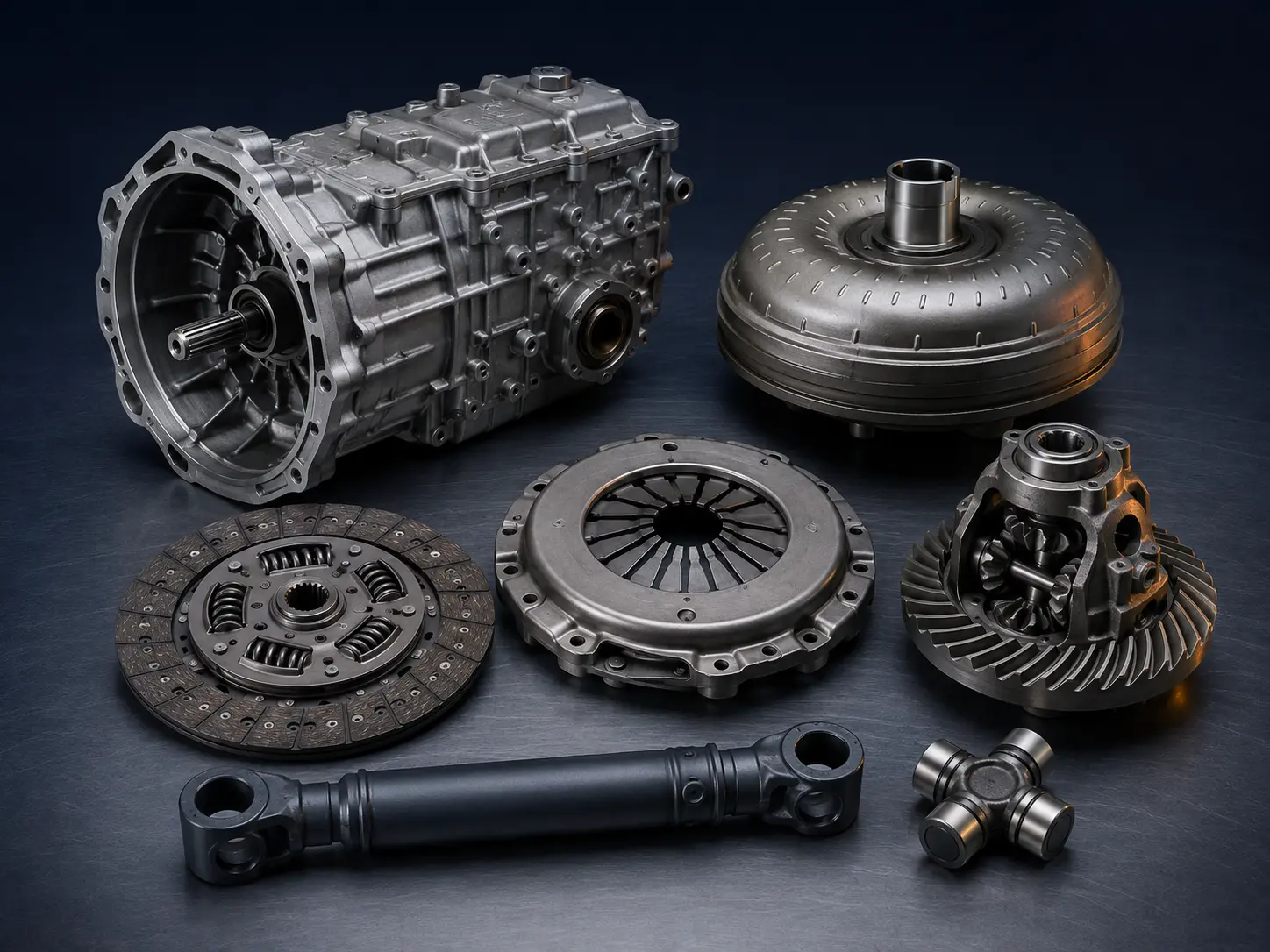
Why precise identification comes first
A Transmission Assembly request should not be matched from a generic description alone. The same Transmission & Drivetrain family can contain variants for different machine series, duty cycles, dimensions, connectors, materials and revisions. A defensible sourcing decision starts with traceable machine and part evidence, then records every unresolved point instead of filling gaps with assumptions.
Data to collect before requesting a quote
Collect the clearest available identifiers before contacting a supplier. Photographs should show the complete component, mounting points, labels and any damage without hiding scale. When a field is unavailable, mark it as unknown; that is safer than estimating a value that can drive the match toward the wrong variant.
- 01Part number / reference
- 02Equipment make and model
- 03Serial number
- 04Transmission model / code
- 05Spline / shaft details
- 06Clear photos and markings
- 07Required quantity
- 08Delivery country / city
Technical focus for this request
Structure the request so technical acceptance and commercial comparison are separate. This makes quotations easier to audit across manufacturer status, condition, documents, lead time and delivery.
What the supplier should verify
A professional quotation should identify the proposed item and explain the basis for compatibility. It should also distinguish manufacturer status, condition, origin, documents, lead time and delivery terms. If any item remains conditional, the condition belongs in writing before an order is placed.
- ✓Proposed manufacturer and brand status
- ✓New, remanufactured or alternative condition
- ✓Compatibility basis and unresolved conditions
- ✓Country of origin and available documents
- ✓Quantity, availability and lead time
- ✓Packing, Incoterm and delivery route
Packing and delivery planning
Weight, dimensions, fragility, corrosion protection and lifting points affect packaging and freight. Destination, delivery term and document requirements should therefore be included in the RFQ. These details help prevent a technically suitable item from becoming an operational problem during export or installation.
Frequently asked questions
Can a photo alone confirm compatibility?
Usually not. A photo supports identification, but part references, machine model, serial number and dimensions may still be required.
Does a matching name mean the part is interchangeable?
No. Similar names can cover different revisions, ratings, mounting patterns or electrical specifications.
What should be confirmed before payment?
Compatibility basis, manufacturer and condition status, origin, documents, quantity, lead time, packing, Incoterm and delivery scope should be written clearly.
Need a verified quotation?
Send the machine model, serial number, existing part reference, dimensions, quantity and destination. The response can then document compatibility and commercial scope item by item.
Request a quote